Building and Pest Inspection Report: What It Covers and How to Read It
What the inspection covers, what the report means, and how to read it before you exchange
Most people book a building and pest inspection because their conveyancer told them to, then open a forty page report and have no idea which parts matter. This guide explains what gets inspected, what a building and pest inspection report actually means, and how to read it before you commit to a purchase.
We carry out pre-purchase building and pest inspections across Sydney. Inspections are carried out to the Australian Standards for property inspections, AS 4349.1 for building inspections and AS 4349.3 for timber pest inspections.
What a building and pest inspection covers
A building and pest inspection is two separate inspections, usually carried out in the same visit and delivered as one report or two.
The building inspection is a visual assessment of the condition of the property. The timber pest inspection looks specifically for termites, borers and timber decay, along with the conditions that attract them.
Inside the property
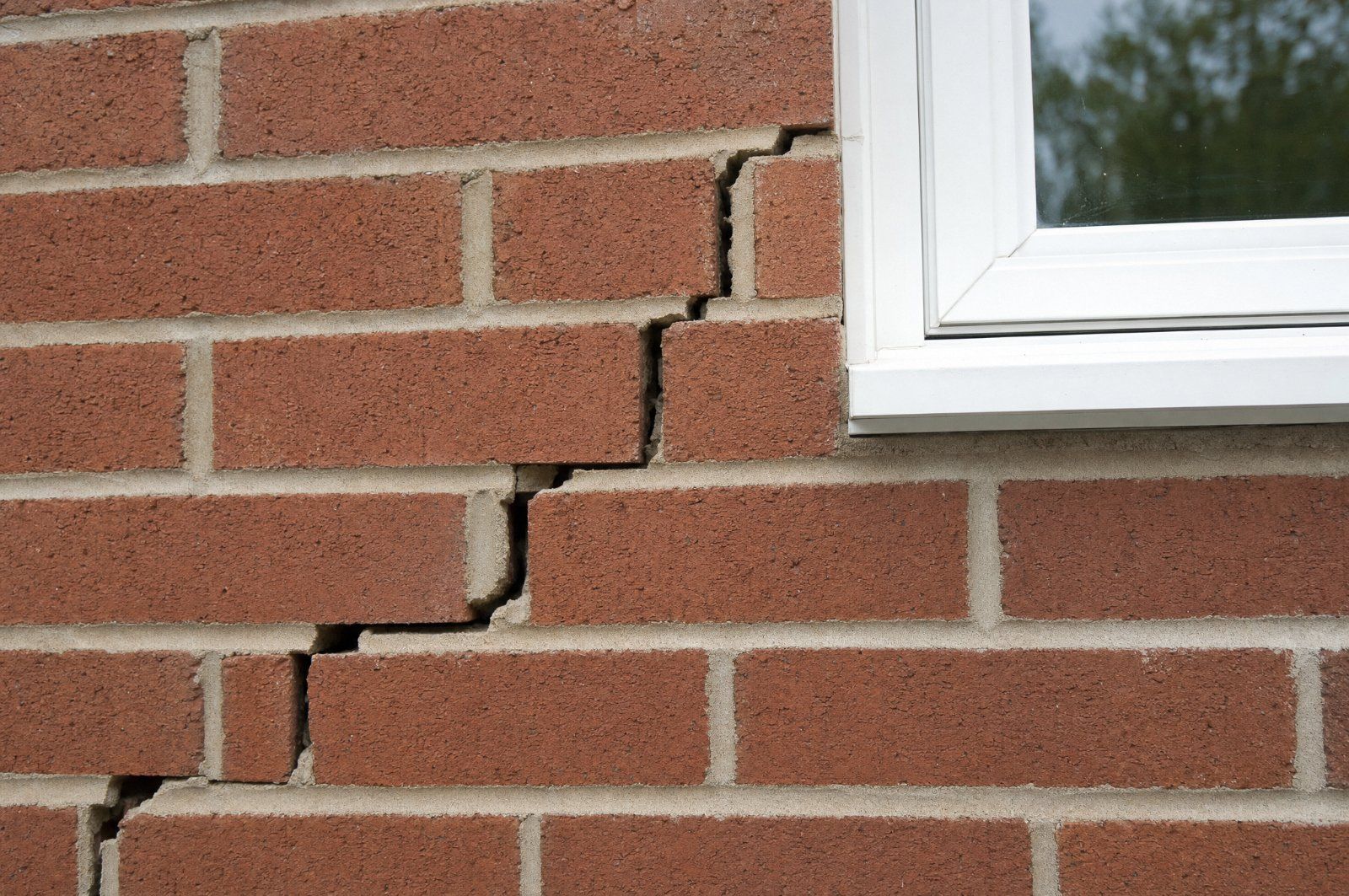
- Walls, ceilings and floors, including cracking, movement and moisture staining
- Windows and doors, including whether they operate correctly
- Wet areas, which is where water damage most often begins
- Visible plumbing and evident leaks
- Stairs, balustrades and internal handrails
Outside the property
- External walls and cladding
- Roof covering, gutters and downpipes where safely accessible
- Eaves and fascias
- Decks, balconies, steps and their balustrades
- Fencing, retaining walls and paths within the boundary
- Site drainage and where water runs when it rains
Roof space and subfloor
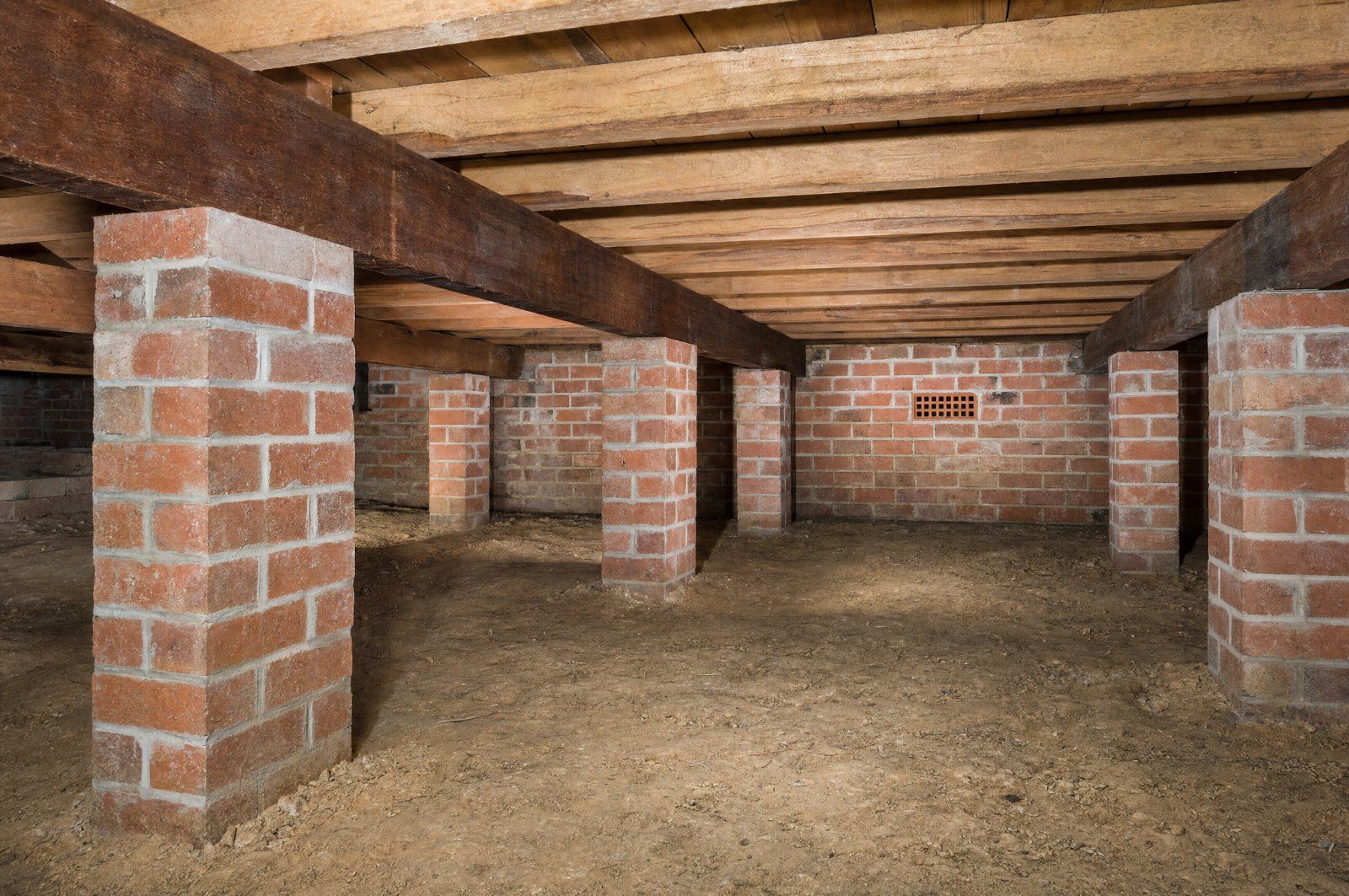
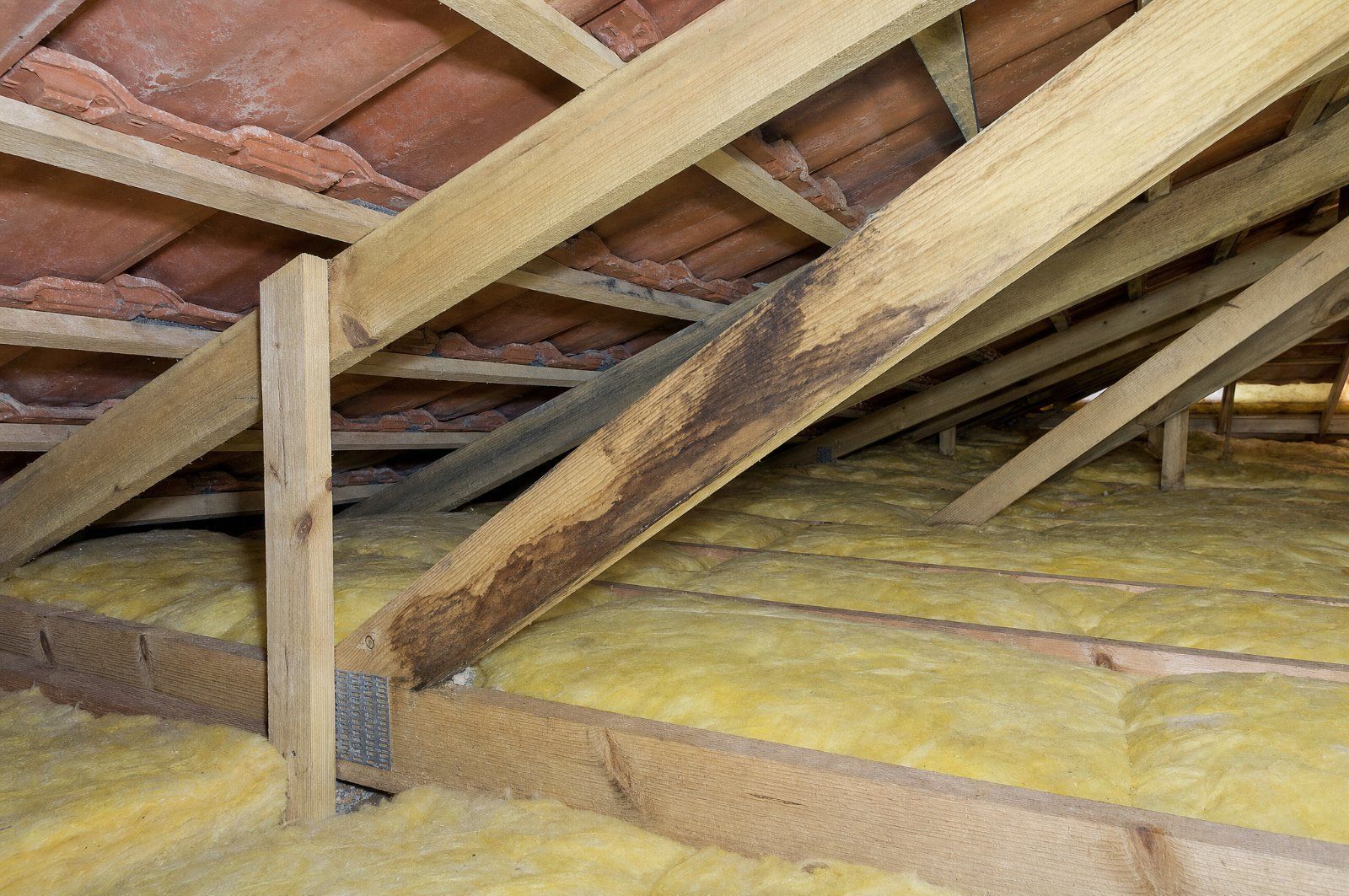
These are the two areas that matter most and the two most often skipped. Where access is available and safe, the inspection covers roof framing, insulation and evidence of leaks in the roof space, and framing, ventilation, moisture and termite activity in the subfloor.
The timber pest inspection
- Live termite activity
- Evidence of previous termite activity and previous treatment
- Termite workings and mudding
- Borer activity
- Fungal decay in timber
- Conditions conducive to timber pest attack, such as poor drainage, damp subfloors, timber in contact with soil and garden beds built up against the walls
That last point is the one buyers underestimate. A property with no termites today but with three or four conducive conditions is a property with a termite problem waiting to happen.
What is not covered
Being clear about the limits is as useful as the list above. A standard pre-purchase inspection is visual and non-invasive. That means:
- Nothing is cut open, dismantled or moved
- Areas that cannot be safely or physically reached are not inspected, and the report says so
- Concealed framing behind linings is not assessed
- Electrical, gas and plumbing systems are not tested or certified, which are separate specialist reports
- Swimming pool compliance, asbestos testing and structural engineering are separate specialist reports
- The value of the property is not assessed, which is a valuation
No visual inspection can tell you a property is free of defects or free of termites. What it can tell you is what is visible on the day, what the risks are, and what deserves a closer look before you exchange.
What a building and pest inspection report actually tells you
A report is not a pass or a fail. It is a description of condition, and the way to read it is by category rather than by page count.
Major defects
These are the items that affect the structure, safety or habitability of the property, or that will cost a significant amount to put right. Structural cracking, significant water ingress, an unsafe balustrade, active termite damage to structural timber. If a report has major defects, that is the section to read first and the section to take to your conveyancer.
Minor defects
Wear, deterioration and workmanship items that are normal for the age of the property. Most reports on most established homes contain plenty of these. A long list of minor defects is not a reason to walk away. It is a maintenance schedule.
Safety hazards
Items that present a risk to someone using the property. Missing or low balustrades, unsafe steps, damaged paths. These are often inexpensive to correct but should be corrected before anyone moves in.
Conducive conditions
The timber pest equivalent of a warning light. No termites found, but the conditions that invite them are present. Addressing these is usually cheap and always cheaper than the alternative.
Areas not inspected
Every report has this section and most buyers skip it. It tells you what could not be reached on the day. If the subfloor was inaccessible and the property is a timber floor on piers in a termite-prone area, that omission is material information, not filler.
How to read the report before you exchange
- Read the summary and the major defects first. Everything else is secondary.
- Read the areas not inspected. Work out whether anything important was unreachable, and whether that changes your risk.
- Separate the fixable from the structural. A new hot water system is a cost. Structural movement is a decision.
- Price the majors. Get rough quotes on the significant items before you commit, not after.
- Take the report to your conveyancer. Findings can affect negotiation and, depending on the contract, your options.
Frequently Asked Questions
How long does it take to get the building and pest inspection report?
We deliver the report within 24 to 48 hours of the inspection. The inspection itself takes between one and two hours on site for most residential properties, depending on the size of the property, its age and how accessible the roof space and subfloor are.
When should I book the inspection?
As early as possible once you are serious about a property. In a private treaty sale, book it before you exchange. If you are bidding at auction, the inspection needs to be done beforehand, because there is no cooling off period on an auction purchase.
Can I attend the inspection?
Yes, and it is worth doing if you can. Seeing a defect in person, with the inspector explaining it, is far more useful than reading about it later.
Does a clear building and pest inspection report mean the property has no problems?
No. A visual inspection reports on what was visible and accessible on the day. It cannot rule out defects concealed behind walls, under floor coverings or in areas that could not be reached. The report is one input into your decision, not a guarantee about the property.
What does a building and pest inspection cost?
Our inspections start from $350 for houses, duplexes, villas and townhouses, and from $200 for apartments. The final figure depends on the size and type of the property.
What is the difference between a building inspection and a pest inspection?
A building inspection assesses the physical condition of the property. A timber pest inspection looks specifically for termites, borers and timber decay, and for the conditions that encourage them. They are separate inspections addressing separate risks, which is why they are usually booked together.
Do I need a building and pest inspection for a newly built property?
Yes. New does not mean defect free, and workmanship issues are easier and cheaper to raise early than after settlement.
Can I use the report to negotiate on price?
It depends on the contract and where you are in the process, which is a question for your conveyancer or solicitor. What the report gives you is documented evidence of condition, and the cost of putting the significant items right.
Booking an inspection in Sydney
We carry out pre-purchase building and pest inspections across Sydney. If you have a property under consideration and want to know what you are buying before you commit, get in touch and we will talk you through what the inspection will cover for that particular property.